 |
| SCANNER |
 |
| MOUSE |
 |
| KEYBOARD |
 |
| WEBCAM |
OUTPUT
 |
| PRINTER |
 |
| SPEAKER |
 |
| LCD MONITOR |
STORAGE
 |
| RAM |
 |
| ROM |
 |
| PEN DRIVE |
 |
| MICRO SD CARD |
|
| SCANNER |
|
| MOUSE |
|
| KEYBOARD |
|
| WEBCAM |
|
| PRINTER |
|
| SPEAKER |
|
| LCD MONITOR |
|
| RAM |
|
| ROM |
|
| PEN DRIVE |
|
| MICRO SD CARD |


 First generation: 1937 – 1946 - In 1937 the first electronic digital computer was built by Dr. John V. Atanasoff and Clifford Berry. It was called the Atanasoff-Berry Computer (ABC). In 1943 an electronic computer name the Colossus was built for the military. Other developments continued until in 1946 the first general– purpose digital computer, the Electronic Numerical Integrator and Computer (ENIAC) was built. It is said that this computer weighed 30 tons, and had 18,000 vacuum tubes which was used for processing. When this computer was turned on for the first time lights dim in sections of Philadelphia. Computers of this generation could only perform single task, and they had no operating system.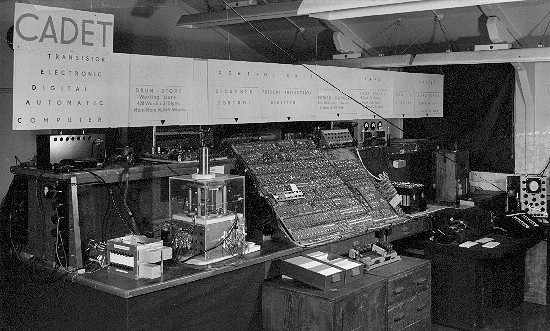
 Third generation: 1963 - present - The invention of integrated circuit brought us the third generation of computers. With this invention computers became smaller, more powerful more reliable and they are able to run many different programs at the same time. In1980 Microsoft Disk Operating System (MS-Dos) was born and in 1981 IBM introduced the personal computer (PC) for home and office use. Three years later Apple gave us the Macintosh computer with its icon driven interface and the 90s gave us Windows operating system.
 computers? I have an easy answer. Just read, and use computers more. They are not that hard and with time you too can become the master over this tool.
 Computers, today are small, fast, reliable, and extremely useful. Back in 1977 that really was not the case. However, they both operated in basically the same way. They both receive data, stored data, processed data, and then output data similar the the way our own brain functions. This article deals with those 4 functions: Memory, Processing, Input, and Output.
| Bit | none | 0 or 1 |
| Byte | B | 8 bits -example: 00100101 |
| Kilo | K, KB | 1,024 bytes |
| Mega | M, MB, Meg | 1,048,576 bytes (Million) |
| Giga | G, GB, Giga | 1,073,741,824 bytes (Billion) |
| Tera | T, TB, Tera | 1,099,511,628,000 bytes (Trillion) |
|
| Thumb Drive or Memory Stick | Hard disk (drive) or HD |
|
|
| CD-ROM (Compact disk, read-only memory) | DVD-ROM (digital video disk, read-only memory) |
|
|
 microprocessor. The microprocessor is often referred to as the CPU (Central processing unit). The microprocessor is a chip the size of a postage stamp. The processor is the one part of the computer that is most important to the computer. The microprocessor controls how data is sorted and directs the flow of data.To a great extent a computer is defined by the power of its microprocessor. Chips with higher processing speed and more recent design offer the greatest performance and access to new technologies. Most microprocessors made for PCs are made by Intel or by companies that clone Intel chips, such as Advanced Micro Devices (AMD) and Cyrix.
| 80286 |
134,000
|
16 bit
|
| 80386 |
275,000
|
32 bit
|
| 80486 |
1,600,000
|
32 bit
|
| Pentium |
3,300,000
|
64 bit external/
32 bit internal
|
| Pentium Pro |
5,500,000
|
64 bit
|
| Pentium w/ MMX |
4,500,000
|
64 bit external/
32 bit internal
|
| Pentium II |
7,500,000
|
64 bit
|
| The processor has come a long way and now some of the latest processors are: Celeron · Pentium Dual-Core · Core 2 · Core i5 · Core i7 · Xeon · Itanium and who know what will come out next? | ||
